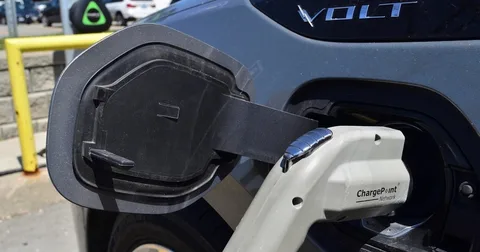
In Aomori Prefecture, the picture for FY2026 (Reiwa 8) is: neither the prefecture nor Aomori City offers a purchase subsidy for individuals, so for the vehicle itself the national CEV subsidy (up to 1.3 million yen for EVs) is the main pillar. The eye-catcher in the prefecture is Sai Village on the Shimokita Peninsula — as one of the Ministry of the Environment's Decarbonization Leading Areas, it offers a generous subsidy for EVs and PHEVs of battery capacity × 1/2 × 40,000 yen/kWh (capped at the national CEV grant amount). Here is the realistic picture for the prefecture as a whole and the leading-area exception.
Think of Aomori's EV Subsidies as a "Two-Story" Structure
CEV subsidy (the main pillar)
A national subsidy available to both individuals and corporations. The FY2025 supplementary-budget round (registrations from April 2026) offers the largest amounts, such as up to 1.3 million yen for EVs.
Nothing in Aomori City; Sai Village is exceptionally generous
No subsidy confirmed in Aomori City. Sai Village, a Decarbonization Leading Area, offers a large subsidy of capacity × 1/2 × 40,000 yen/kWh.
No prefectural subsidy for individuals
No prefecture-level vehicle subsidy for individuals. The list of subsidies for small and medium-sized businesses shows no dedicated EV purchase subsidy either.
[National] CEV Subsidy under the FY2025 Supplementary Budget (registrations from April 2026; the main pillar)
"Up to 1.3 million yen" is a cap. The actual amount is set per model based on the vehicle's environmental performance and other criteria. Applications close once the budget runs out. On September 4 the secretariat announced that it expects to stop accepting applications around early to late December 2026 (applications are taken in order of arrival, and intake ends the day before the budget is reached; secretariat notice, PDF, in Japanese). Subsidized vehicles carry a mandatory holding period of 4 years in principle — disposing of the car within that period may require repaying the subsidy. Check the exact amount for your model in the figures published by the Next Generation Vehicle Promotion Center.
For the full picture of the CEV subsidy and the situation nationwide, see our guide to EV subsidies in all 47 prefectures.
[Aomori Prefecture] No Prefectural Subsidy for Individuals
No EV purchase subsidy for individuals could be confirmed in Aomori Prefecture, so for the vehicle itself the national CEV subsidy is the main pillar. Because this is a cold region, choosing a model with winter range loss in mind (generous battery capacity, heat-pump heating) matters just as much as the subsidies.
[Municipalities] Nothing in Aomori City; Sai Village Has a Large Decarbonization Leading Area Subsidy
| City/Village | FY2026 status |
|---|---|
| Aomori City | No EV purchase subsidy for individuals could be confirmed |
| Sai Village | Accepting applications: for EVs and PHEVs, battery capacity × 1/2 × 40,000 yen/kWh (capped at the national CEV per-model grant amount). As a Ministry of the Environment Decarbonization Leading Area, it also subsidizes renewable energy equipment at a high rate of 3/4 |
Under Sai Village's formula, a 60 kWh EV works out to 1.2 million yen in theory (capped at the national CEV grant amount). It is a limited case in a small village, but a good example of how living in a Decarbonization Leading Area can transform your subsidy environment. You can check whether your municipality is a leading area in the Ministry of the Environment's list.
Also Check the "Taxes" on EVs (Automobile Tax Reductions)
Separately from subsidies, the environmental performance levy of the automobile tax was abolished on March 31, 2026, and it is not charged on vehicles acquired on or after April 1, 2026 (Tokyo Metropolitan Government Bureau of Taxation, in Japanese). For EVs, the following year's automobile tax (type-based levy) is reduced by roughly 75% under the green tax special measure. For details, see our article on EV taxes and the 2026 automobile tax reform.
Are Subsidies Taxable?
EV subsidies received by individuals are treated as occasional income. Because there is a special deduction of 500,000 yen per year, you owe no tax as long as your total occasional income for the year, including other items, stays at or below 500,000 yen. Even combining national and municipal subsidies usually stays within this range, but be careful about the total in a year when you receive several large subsidies. Business use is treated differently, so consult a tax accountant.
What to Do Today
What to do today
- Check the national CEV subsidy amount for your candidate models in the Next Generation Vehicle Promotion Center's list (the amount for your specific car, not the "up to 1.3 million yen" headline)
- Search your municipality's official website for "EV 補助金" (EV subsidy); in Aomori, check whether your municipality is a Decarbonization Leading Area, along with the remaining budget and acceptance status
- Work backwards from your delivery date to build an application schedule (check three things: registration date, application deadline, and budget exhaustion)
FAQ
Q. I live in Aomori City. What can I use?
A. No vehicle subsidy could be confirmed for Aomori City, so the national CEV subsidy (up to 1.3 million yen for EVs) and the automobile tax reductions are the pillars.
Q. How much can I receive from Sai Village's subsidy?
A. It is battery capacity × 1/2 × 40,000 yen/kWh, capped at the national CEV per-model grant amount. Larger-battery EVs produce bigger calculated amounts, but the design caps them at that ceiling. Check the village's requirements and acceptance status on its official site.
Q. Is a new prefectural subsidy planned?
A. As of August 2026, we have found no information about a new purchase subsidy for individuals in Aomori Prefecture. Programs change from year to year, so we recommend checking the prefecture's and your municipality's official websites at the start of the fiscal year (April).
Q. Should I apply for the national CEV subsidy even on its own?
A. Yes. The national CEV subsidy is the main source of money (up to 1.3 million yen for EVs, 580,000 yen for kei EVs), and you can use it regardless of whether a municipal subsidy exists. Applications close once the budget runs out, and on September 4 the secretariat said it expects intake to end around early to late December 2026. Applying early is the safe move.
Reference Links (Sources)
* Subsidy amounts, requirements, and acceptance status are as of August 2026. Programs may close early depending on how quickly budgets are used up. Always check the latest information on each official website before applying.